.png)
The Technology Behind SEA&WIN and The Psychology of Play: Why Gamifying a City Works
Written by Nimali Krishnakalyan
On a Tuesday afternoon in June, a SEA&WIN player followed a 5x point multiplier to Seattle Center. When he arrived, the bonus wasn't active, because an error had listed the window in the wrong time zone. He sent a message to flag it, but he didn't leave. Wandering the area, he stumbled across a vibrant gathering of Bosnian fans—yellow-and-blue flags and banners waving, chants for the whole city to hear.
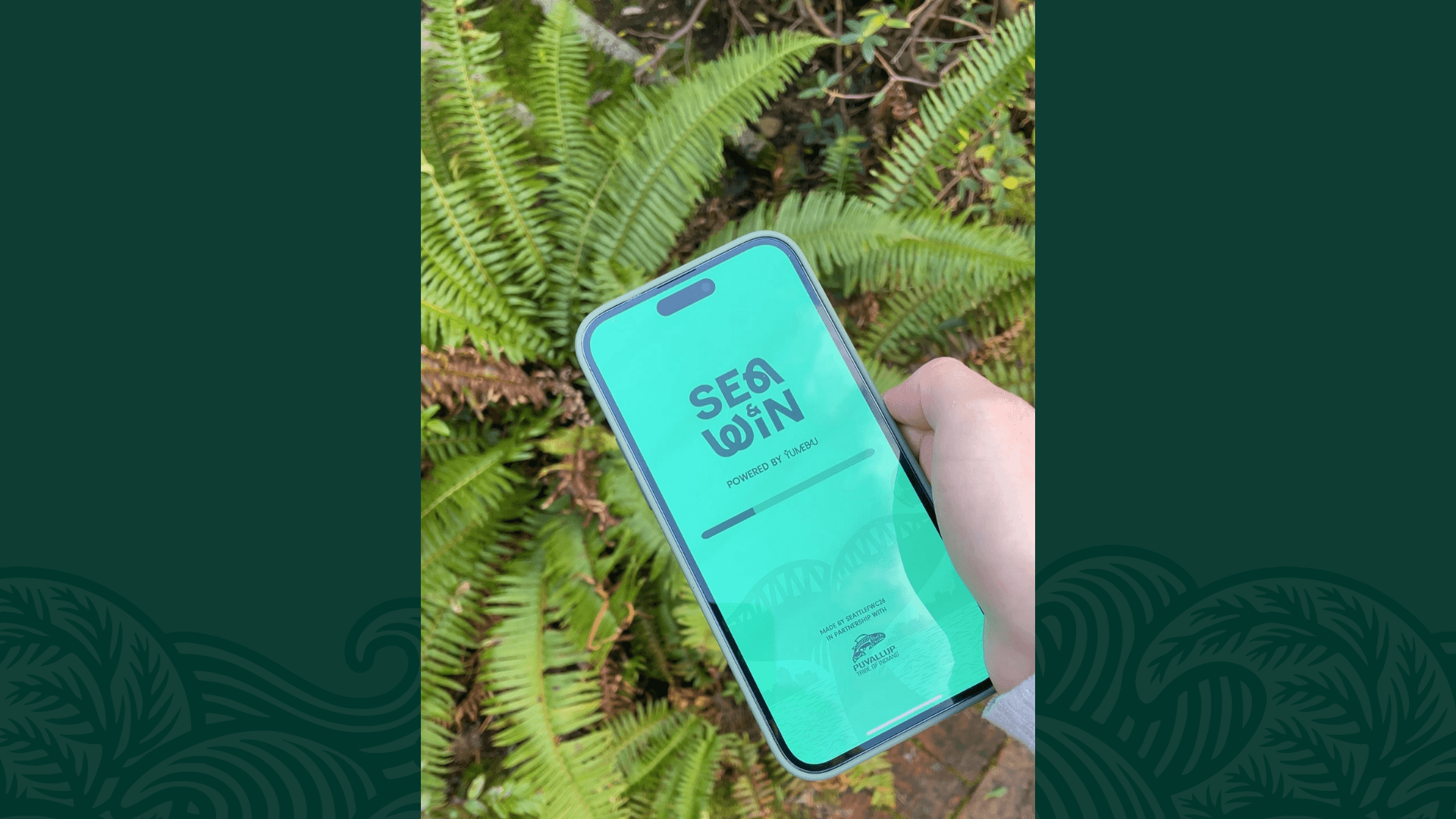
Understanding how a point multiplier error led a stranger to a Bosnian fan gathering starts with a demand FIFA makes of every host city: build an app. Instead of going functional—a tournament guide, a map, a schedule—Seattle answered with intention and innovation. SeattleFWC26 wanted SEA&WIN to move people through the region, spotlighting every neighborhood, hidden gem, and local business that makes Washington state what it is. Built with developer Yumebau, the free-to-play platform launched in March 2026, featuring stops, tours, and loops designed to broaden what individuals knew beforehand as well as benefit the communities that called it home.
In a typical game, the player is the point. Here, the player was the mechanism. The real beneficiaries were the neighborhoods, the small businesses, the corners of the city a standard tournament app might never highlight. Tackling this unique design problem required deliberate architecture: tours and loops with intentional routing, point multipliers placed on hidden gems, and quiz questions at each location that made engagement active rather than passive. Businesses filled out forms with facts about themselves and the region, and those facts became the questions players answered on arrival. Did you know former USMNT goalkeeper Kasey Keller attended North Thurston High School in Lacey? That information came from community, and the app gave people a reason to go find that knowledge.
Building this experience required people who knew these cities from the inside. When talking to Hedda McLendon, the Seattle FIFA World Cup 26™ Local Organizing Committee’s Senior Vice President of Legacy, she described how tour leads identified both landmarks and the places between them. The stop list grew so long that Seattle expanded the original parameters to fit everything in.
“Seventy people attended demo day in Olympia, spending the afternoon moving freely through the city giving feedback, and became the app's first ambassadors when it launched,” said McLendon. “One data team member, after 35 years of living in Seattle, learned brand new things about the city by working on the app. SEA&WIN wasn't just for tourists. It was for anyone who hadn't realized what was right in front of them.”
None of this works without a basic fact about human behavior: game mechanics tap into hard-wired instincts. People are more likely to remember unfinished tasks better than completed ones because of the drive to complete something once you've started. Rewards that arrive after an unpredictable number of tries, rather than a guaranteed one, tend to keep people coming back longer than a predictable reward would. And place attachment— the emotional bond between a person and a place—explains why doing something active somewhere makes you remember it differently than if you'd just read about it.
SEA&WIN activated all three of these instincts. Tours created completion loops. Prize windows created a variable reward. The stops created place attachment: answering a quiz question about a restaurant's water source changes your relationship to that place in a different way entirely.
While a standard tourism app just tells you where to go, a gamified one can give you a reason to actually be there. And sometimes, what you find has nothing to do with points. McLendon described how shortly after the app’s launch, a mother and her adult son completed the Puyallup tour, locals who had lived near these places for years without occasion to move through them together. SEA&WIN gave them that occasion. They did the stops, finished the loops, and won tickets to a World Cup match. When the announcement came through, the mother cried. The tournament hadn't even started yet.
That's the thing about building a game around a city rather than a screen: you can plan the routes and engineer the rewards, but you can't predict what people will find when they actually show up somewhere. Sometimes it's a point multiplier. Sometimes it's each other.